
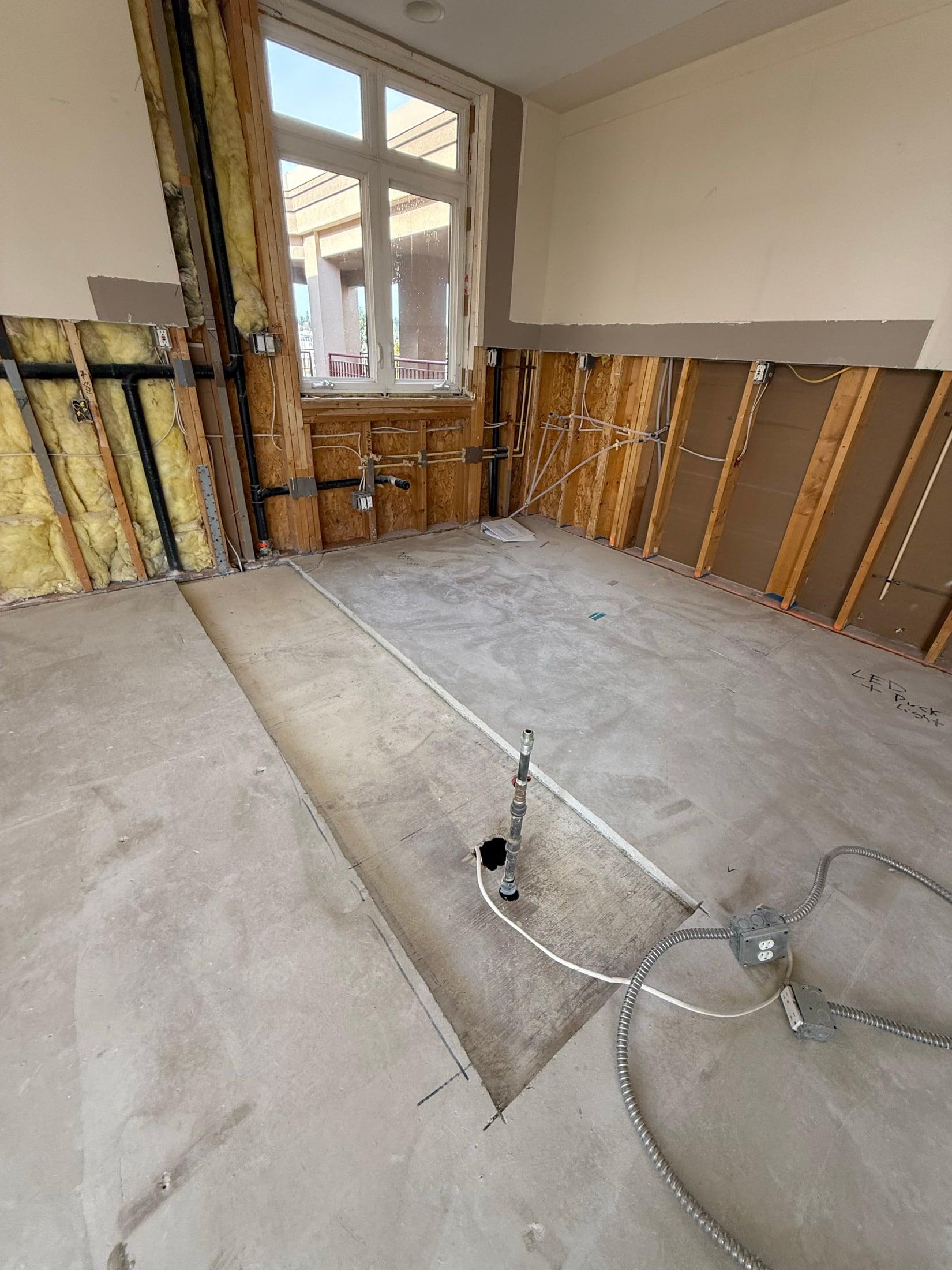
Water damage demolition / Greater Seattle
Water damage demolition and flood cuts
Had a burst pipe or a leak? We cut out and haul away the wet drywall, insulation, flooring, and cabinets so the drying crew and your rebuild can get started.
Residential / Commercial / Site protection
Get a free estimateThe short answer
What is water damage demolition?
Water damage demolition is the controlled removal of building materials that have been soaked by a burst pipe, appliance leak, roof leak, or flooding: typically a flood cut of the lower wall drywall, wet insulation, swollen flooring and underlayment, damaged subfloor, and water-logged cabinets or trim. BRD Demolition performs water damage demolition and flood cuts for homeowners, property managers, and restoration contractors across Greater Seattle, including King and Snohomish counties, with containment set up before the first cut and all debris hauled away so drying equipment and the rebuild can follow.
- Commonly removed
- Flood-cut drywall, wet insulation, baseboard, flooring, underlayment, subfloor, cabinet bases, soaked ceiling
- Flood cut height
- Usually 12 to 24 inches above the visible water line, or 2 or 4 feet to land on a clean drywall seam
- Typical duration
- A few hours for one room to a couple of days for a lower floor
- Left for other trades
- Plumbing repair, drying and dehumidification, mold remediation, insurance adjusting, rebuild
- Service area
- Greater Seattle, including King and Snohomish counties
- Estimate
- Free, written after an on-site walkthrough
Before we start / 01
What wedo beforewe openyour walls.
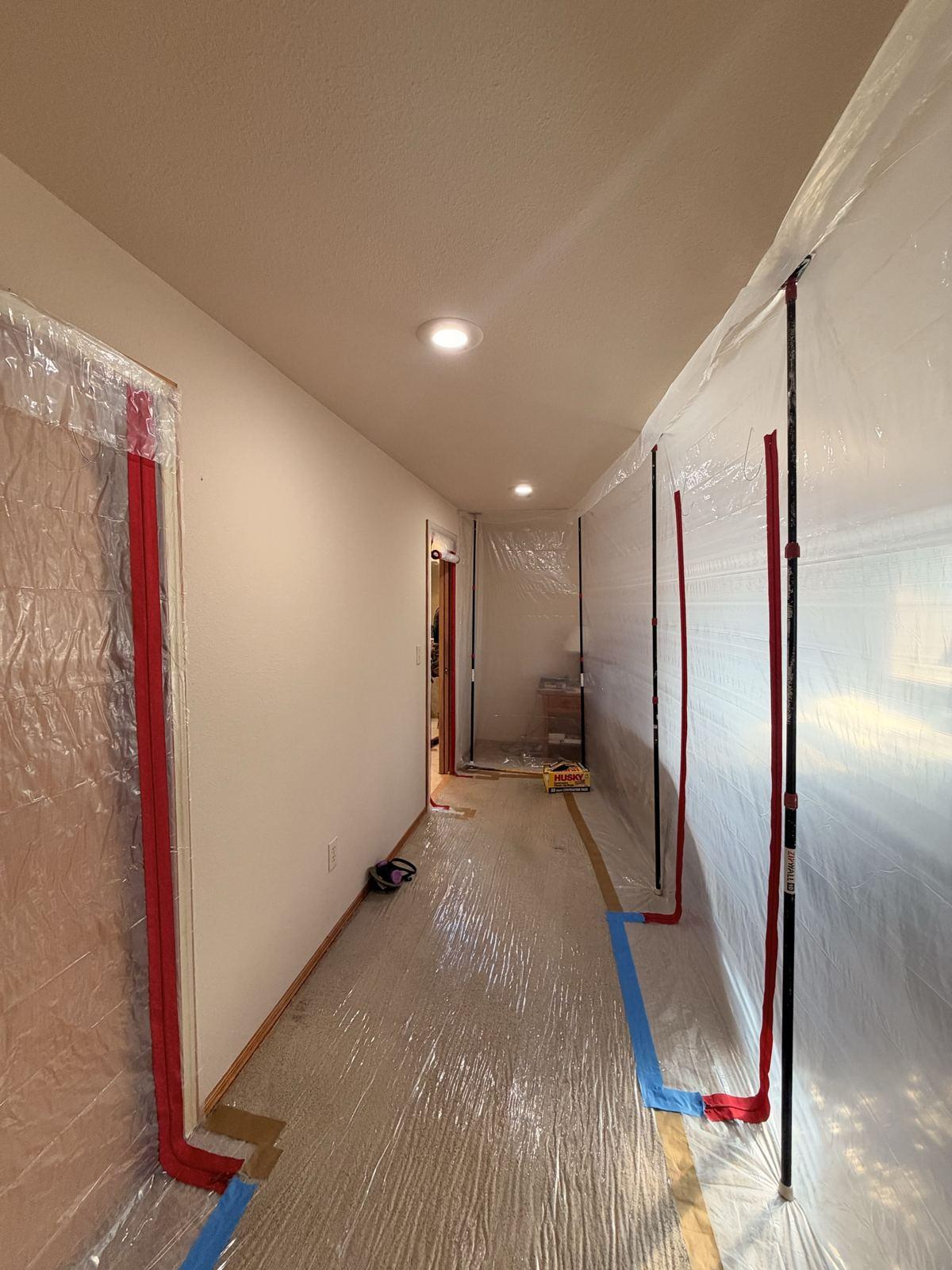
We do not cut anything until the source of the water is dealt with. That means the main is shut off or your plumber has made the repair, the standing water is out, and the power to the affected circuits is confirmed off. Then we seal the wet rooms off from the dry part of your house so the demolition does not spread what the water already started.
See what is includedSource off / Contain / Cut
If this sounds familiar
Is thisyourhouse?
These are the calls we get most, and most of them come in winter.
A pipe that froze overnight does not always show itself right away. The leak starts when it thaws, often inside a wall or above a ceiling, and by the time the drywall sags or the baseboard swells, the water has been in the framing for hours. The sooner we get the wet material out and the cavity open to the air, the less of your house is lost.
- A pipe burst during a cold snap and a wall, ceiling, or lower floor is wet.
- A water heater, washing machine hose, or dishwasher line let go and the floor is soaked.
- Your restoration company or insurance adjuster needs flood cuts done before drying equipment goes in.
- Drywall is soft, stained, or bubbling, and baseboard is pulling away from the wall.
- Laminate or engineered flooring has cupped, buckled, or lifted along the seams.
- A basement or crawlspace took on water and the finished walls down there are wet.
What is included / 02
What’sincluded.
We take out everything that stayed wet and protect everything that stayed dry.
Flood cuts.
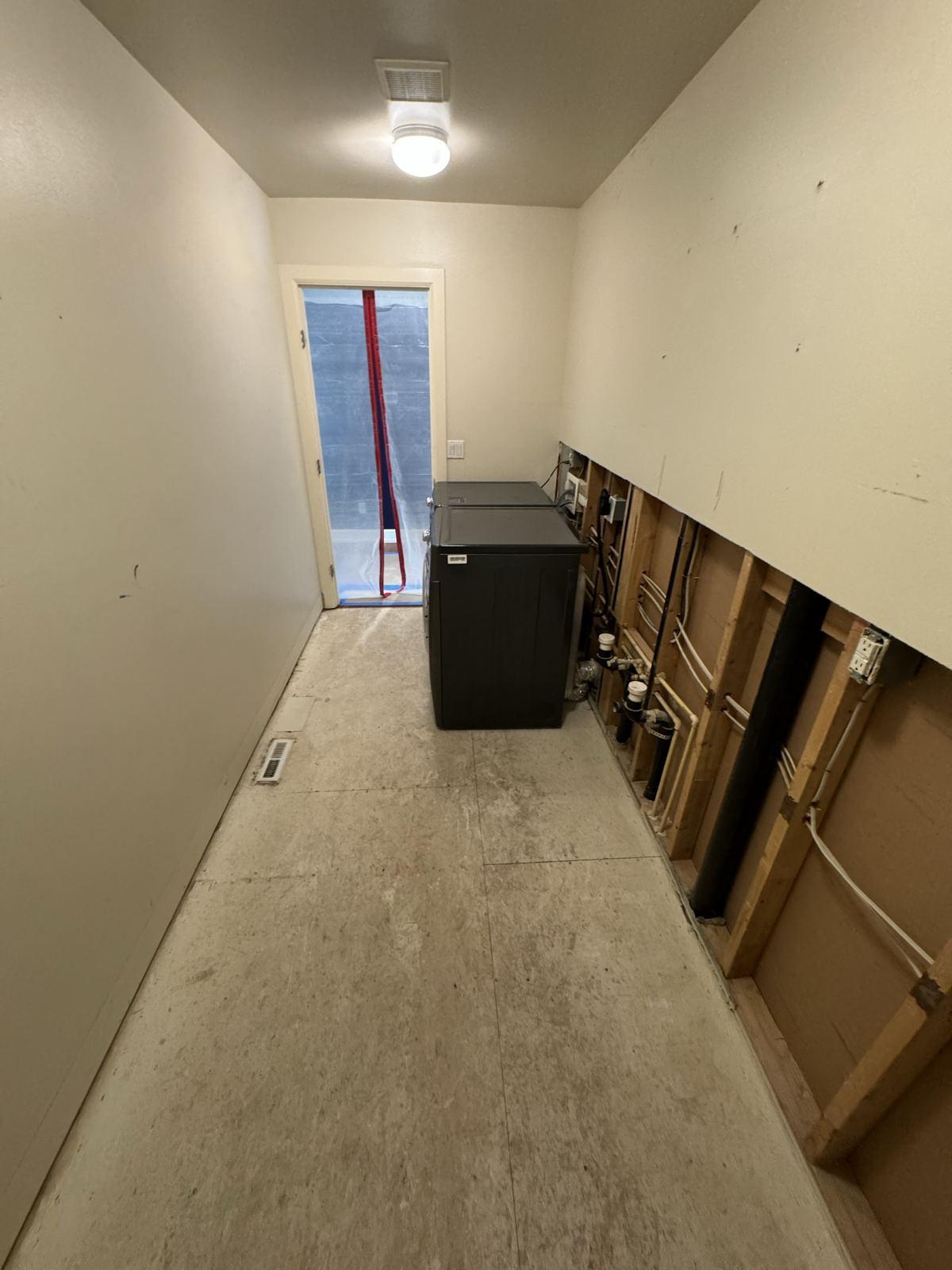
We cut the wet drywall in a straight, level line above the water mark, usually at 2 or 4 feet so the patch lands on a full sheet seam. Then we remove it along with the baseboard, trim, and fasteners. We keep the cut line clean so your drywall contractor can tape straight to it.
Wet insulation.
Fiberglass batts and blown insulation that got wet hold water against the studs and will not dry in place. We pull it out of the opened cavities and bag it so the framing can be dried and inspected.
Flooring, underlayment, and subfloor.
We remove laminate, engineered wood, carpet and pad, vinyl, and tile that sat in water, along with the underlayment beneath them. Where the subfloor itself is soft or delaminated, we cut it back to the joists so the dry-out crew can get air underneath.
Cabinets, vanities, and ceilings.
We take down and haul out particleboard cabinet bases that swelled, vanities that sat in standing water, and sagging ceiling drywall below a leak. If a cabinet can be saved and you want to keep it, we release it carefully and set it aside.
Your restoration company or adjuster is usually part of our walkthrough. We have the equipment to take moisture readings, and we work with water mitigation companies on jobs like this. We do not do plumbing repair, structural drying, or mold remediation. We open the house up so those trades can do their work.
How we work / 03
What youcan expect.
We handle water damage of every size, from one wall to a whole lower floor.
A single burst supply line in a bathroom wall might mean a flood cut on two walls and a strip of hallway flooring. A failed water heater in a finished basement can mean every wall on the floor opened to two feet, the carpet and pad out, and the bottom plate exposed end to end. Our method is the same at either size. We find how far the wet material goes, cut just past it, and leave the dry work alone.
We photograph the affected areas before and after removal, and we keep the debris separate from other waste when you or your adjuster ask for it. That gives your claim a clean record of what was removed and why.
Our process
How itworks.
Here is the order we follow so a wet house does not get any worse.
Confirm the source is off.
The water main or fixture is shut off, your plumber's repair is done or scheduled, and the standing water is removed before we start cutting.
Protect the dry side.
We put floor protection on the route out and hang plastic with a zipper door between the wet rooms and the rest of your house. We cover the vents so the damp dust stays contained.
Mark the cut line.
Using the visible water line and moisture readings, we snap a level line above the damage, usually at 2 or 4 feet.
Open and strip.
The baseboard and trim come off. We cut and remove the drywall, bag the wet insulation, and take up the flooring and underlayment to the subfloor or joists as needed.
Bag, haul, and hand off.
We bag and load the wet material the same day, sweep the area, and walk it with you or the restoration lead so the drying equipment can go in right away.
Your options
Dry itin placeor cutit out?
The answer depends on what got wet and for how long.
Clean water from a supply line that was caught within a day can sometimes be dried in place by a restoration company, especially on hard surfaces. Drywall that stayed wet longer than that, any wet insulation, particleboard cabinets, and laminate or engineered flooring that has swollen generally do not come back. They are faster and cheaper to remove than to try to save.
A common mistake we see is cutting only where the drywall looks bad. Water travels along the bottom plate well past the stain, so the cut should follow the moisture and not the discoloration. Another is replacing the flooring over a subfloor that was never opened and dried, which traps the problem under your new finish.
- Wet less than a day, hard surfaces, clean water: ask the restoration company about drying in place
- Wet drywall with insulation behind it: flood cut and remove the insulation
- Swollen laminate, buckled engineered wood, soaked carpet pad: remove to the subfloor
- Soft or delaminated subfloor: cut back to the joists before anything new goes down
- Any sewage or outdoor flood water: everything it touched comes out, and remediation is involved
Why a flood cut / 01
Openingwalls tosave yourframing.
Drywall and insulation wick water up a wall long after the floor looks dry. Cutting out the lower section exposes the studs and bottom plate to the air. That is what lets the drying crew bring the framing back to a safe moisture level, so you are not left with a damp cavity behind a new paint job.
Clean hand-off / 02
Straightcuts foran easierrebuild.
A level flood cut at a standard height means your drywall contractor hangs a full strip and tapes one seam, with no ragged edge to patch. We de-nail the exposed studs and sweep the subfloor so the dry-out and rebuild crews are not cleaning up behind us.
In King and Snohomish counties
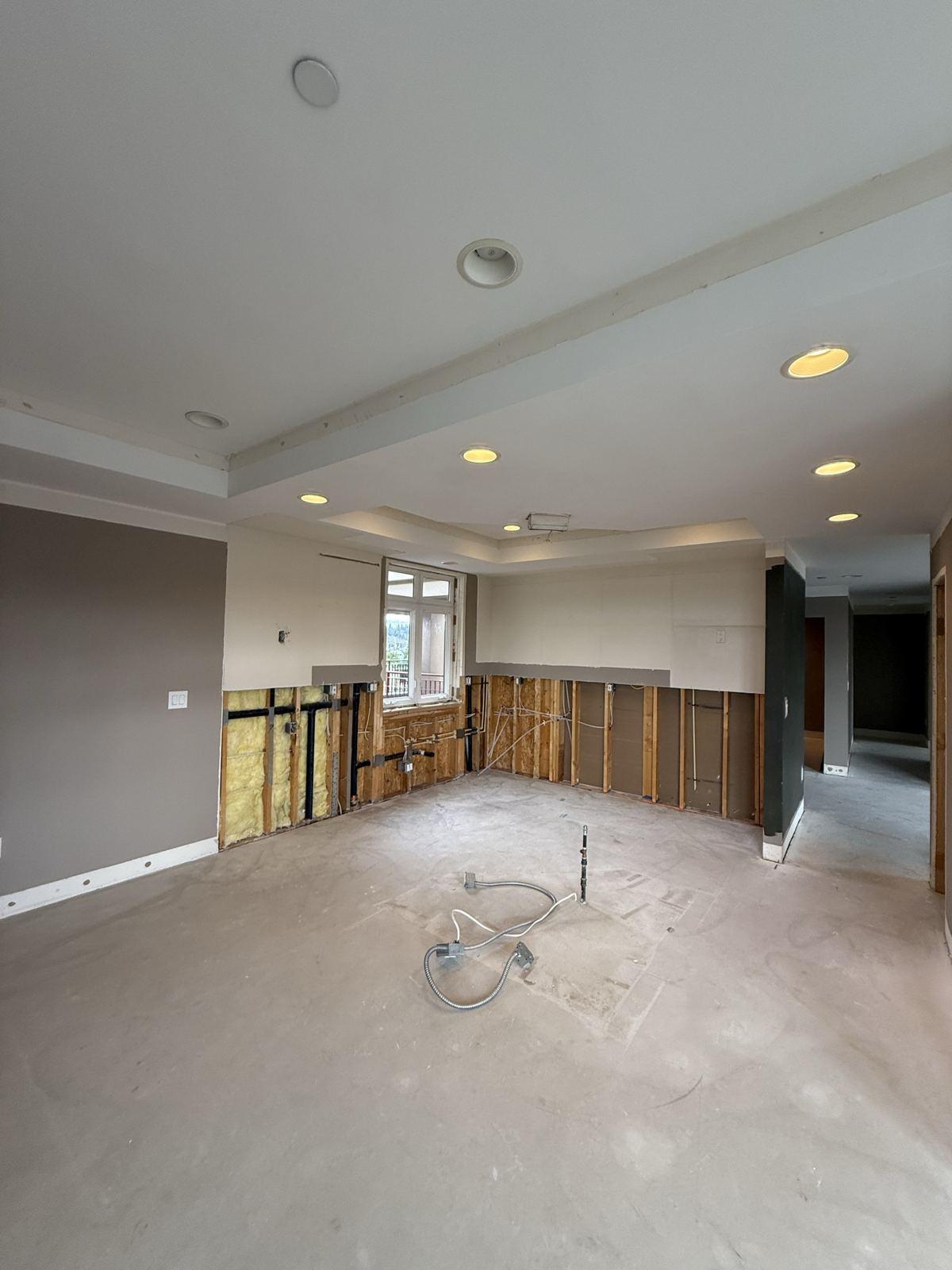
Waterdamage inGreaterSeattle.
Homes in Western Washington are not built for the cold snaps we get a few times each winter.
Many houses across Seattle, the Eastside, and Snohomish County have supply lines running through unheated crawlspaces, garages, and exterior walls with little insulation around them. When temperatures drop into the teens for a few nights, those are the lines that freeze, and the burst usually shows up when they thaw. Hose bibs and the lines feeding them are another common failure point.
Finished basements and daylight ramblers are hit the hardest because water collects on the lowest floor. In older homes, the materials coming out may include sheet vinyl, textured ceilings, or joint compound that fall under the Puget Sound Clean Air Agency's asbestos survey rules. In our damp climate, anything left wet for more than a couple of days is at real risk of mold, and that is a job for a remediation contractor.
Why it matters
What aweek ofwaitingcosts.
Water damage is the one job where a week of delay changes everything.
Drywall and insulation that stay wet keep the framing wet, and wet framing in a closed cavity is where mold starts. Within a few days, a flood cut and dry-out can turn into a mold remediation job with containment, air scrubbers, and clearance testing, at a very different cost and timeline.
Left longer, a soaked subfloor delaminates, the bottom plates and the lower ends of the studs soften, and cabinets sitting in the water fall apart. Opening the house up promptly, even if your rebuild has to wait, is what keeps the repair to the finishes and out of the structure.
Pricing guidance
What waterdamagedemolitioncosts.
Every job is quoted after a walkthrough, and the estimate is free.
We price water damage demolition by the work involved, not at a flat rate. Here is what affects your price:
- How many rooms and linear feet of wall need flood cuts
- Cut height: 2 feet versus 4 feet or full-height removal
- Whether flooring, underlayment, and subfloor are included
- Wet insulation and the number of cavities to clear
- Cabinets, vanities, or ceilings that have to come out
- Access, stairs, and how far the wet debris has to be carried
- Documentation or debris separation requested for an insurance claim
What customers say
5.0 on Google
from 62 reviews.
Rating and review count as shown on BRD Demolition’s Google Business Profile, November 2026.
Read every review on Google“They kept the job site and the rest of our house super clean.”
Brenn G.Bathroom remodel / Google review
“They did a chimney demolition for me and made it look easy.”
Reuben C.Chimney demolition / Google review
“With BRD Demo, I know the project will go smoothly”
Joshua F.General contractor / Google review
Frequently asked questions
Questionsand answers.
What is a flood cut and how high should it be?
A flood cut is a level horizontal cut through drywall above the water line so the wet lower section can be removed and the wall cavity dried. BRD Demolition typically cuts 12 to 24 inches above the visible water mark, rounding up to 2 or 4 feet so the replacement drywall lands on a full sheet seam. When a restoration company has taken moisture readings, the cut follows those readings rather than the stain alone.
How fast can you get to a burst pipe job?
Water damage work is scheduled ahead of planned remodel demolition whenever possible, because the scope grows the longer wet material stays in the house. Call BRD Demolition as soon as the water is off; during a Greater Seattle cold snap we are usually fielding several of these at once, so the earlier the call the better.
Do you work with my insurance company or restoration contractor?
Yes. Most water damage demolition in Greater Seattle is part of an insurance claim, and BRD Demolition regularly works alongside restoration and drying companies. We photograph the affected areas before and after, can keep wet debris separate on request, and provide a written scope your adjuster can match to the claim.
Do you do the drying, mold removal, or plumbing repair?
No. BRD Demolition removes the wet building materials and hauls them away. Structural drying and dehumidification are done by a restoration company, mold remediation by a certified remediation contractor, and the pipe repair by a licensed plumber. We coordinate our work around them so the house is open and ready when they arrive.
Can you save my cabinets or hardwood floors?
Sometimes. Plywood-box cabinets that got wet briefly can often be released intact and set aside to dry; particleboard bases that swelled usually cannot. Solid hardwood that cupped can sometimes be dried and refinished, while laminate and most engineered flooring that buckled needs to come out. We will tell you at the walkthrough what looks worth keeping, and the restoration company makes the final call on drying.
Do I need an asbestos survey before demolition starts?
In King and Snohomish counties, the Puget Sound Clean Air Agency requires an asbestos survey before renovation or demolition work begins. Materials such as popcorn ceiling texture, sheet vinyl, and old joint compound are common suspects in older Seattle-area homes. BRD Demolition does not perform asbestos abatement. If the survey finds asbestos in the work area, a certified abatement contractor removes it first and BRD Demolition handles the remaining demolition.
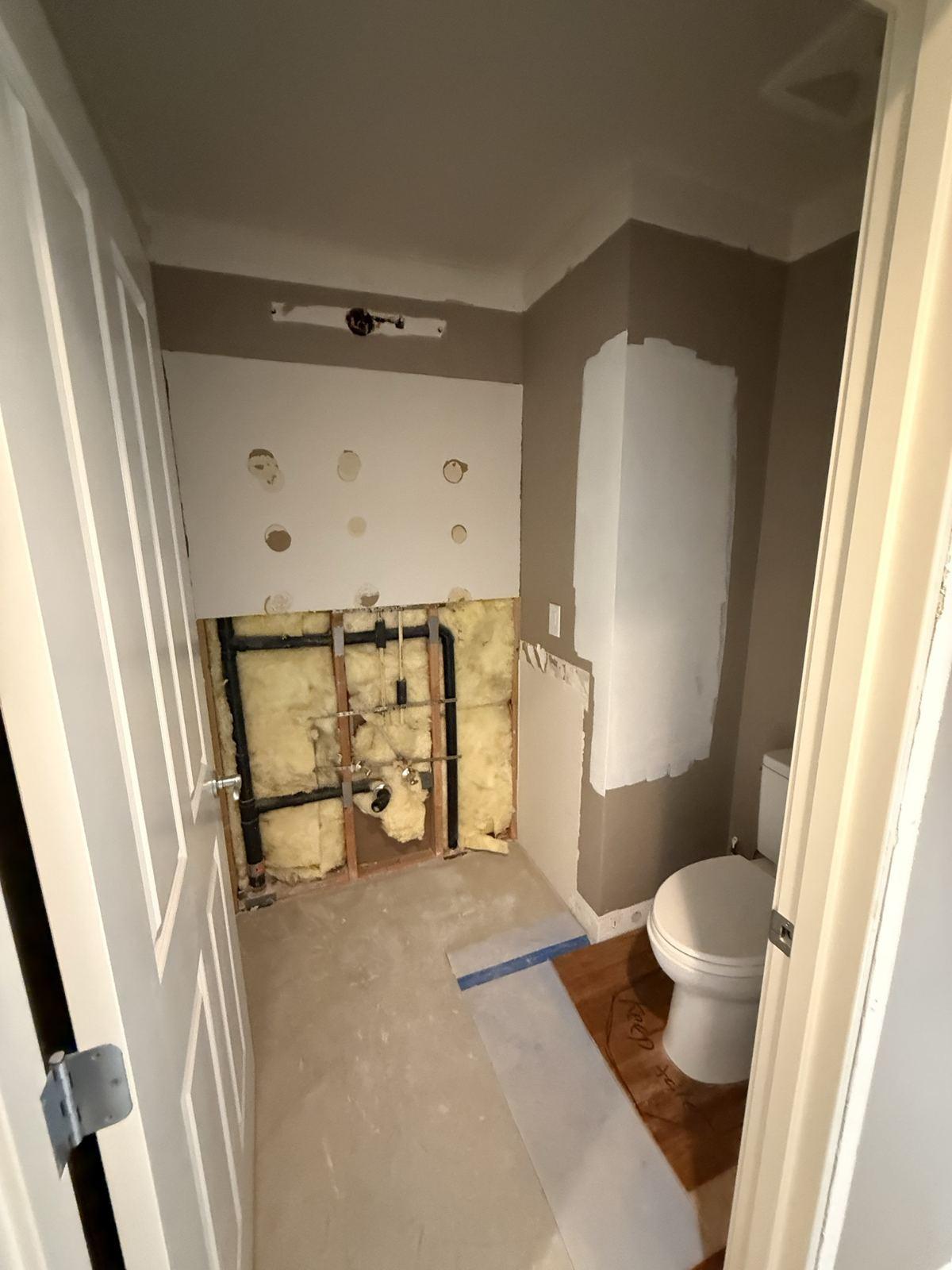
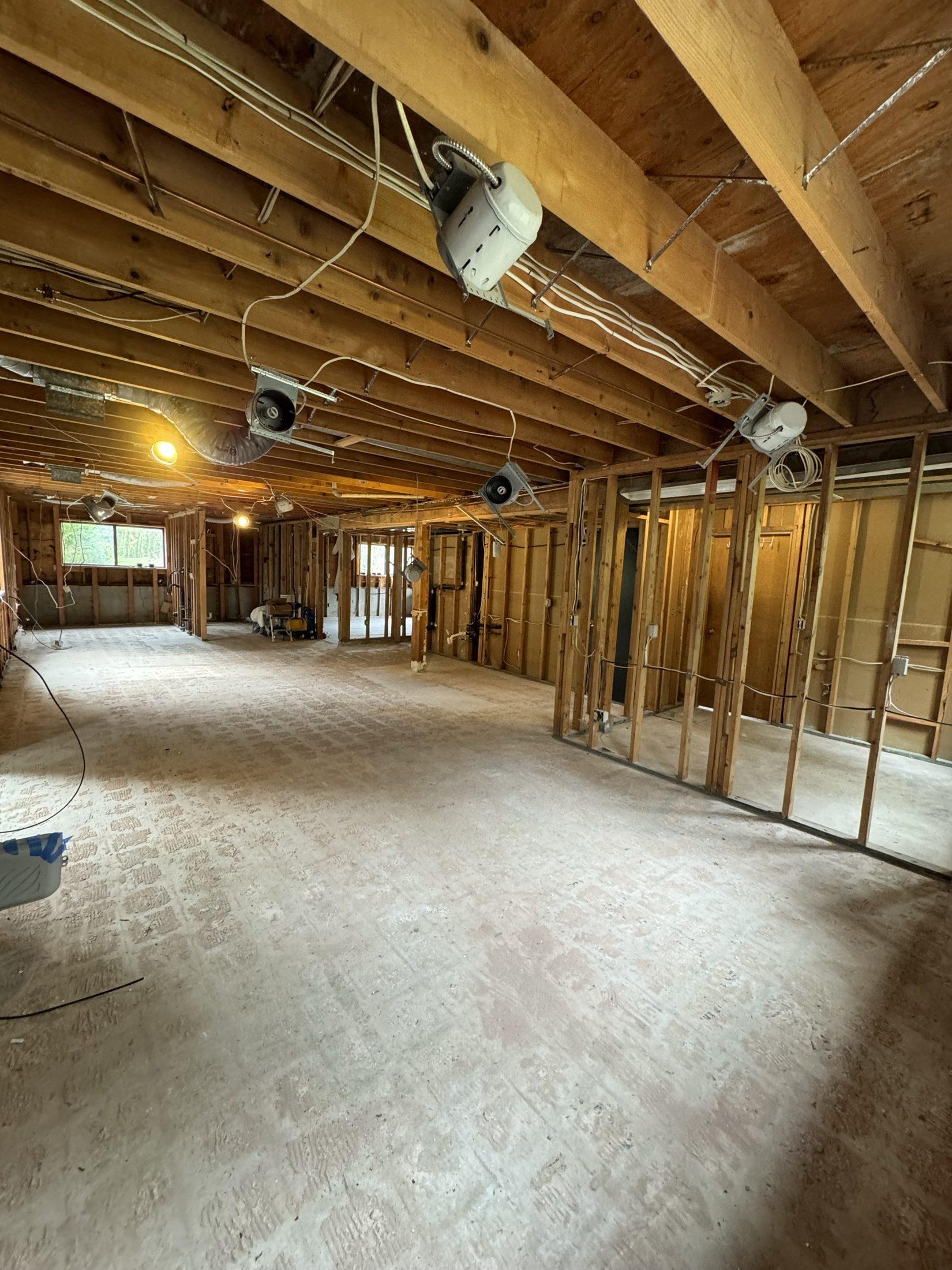
Job photos
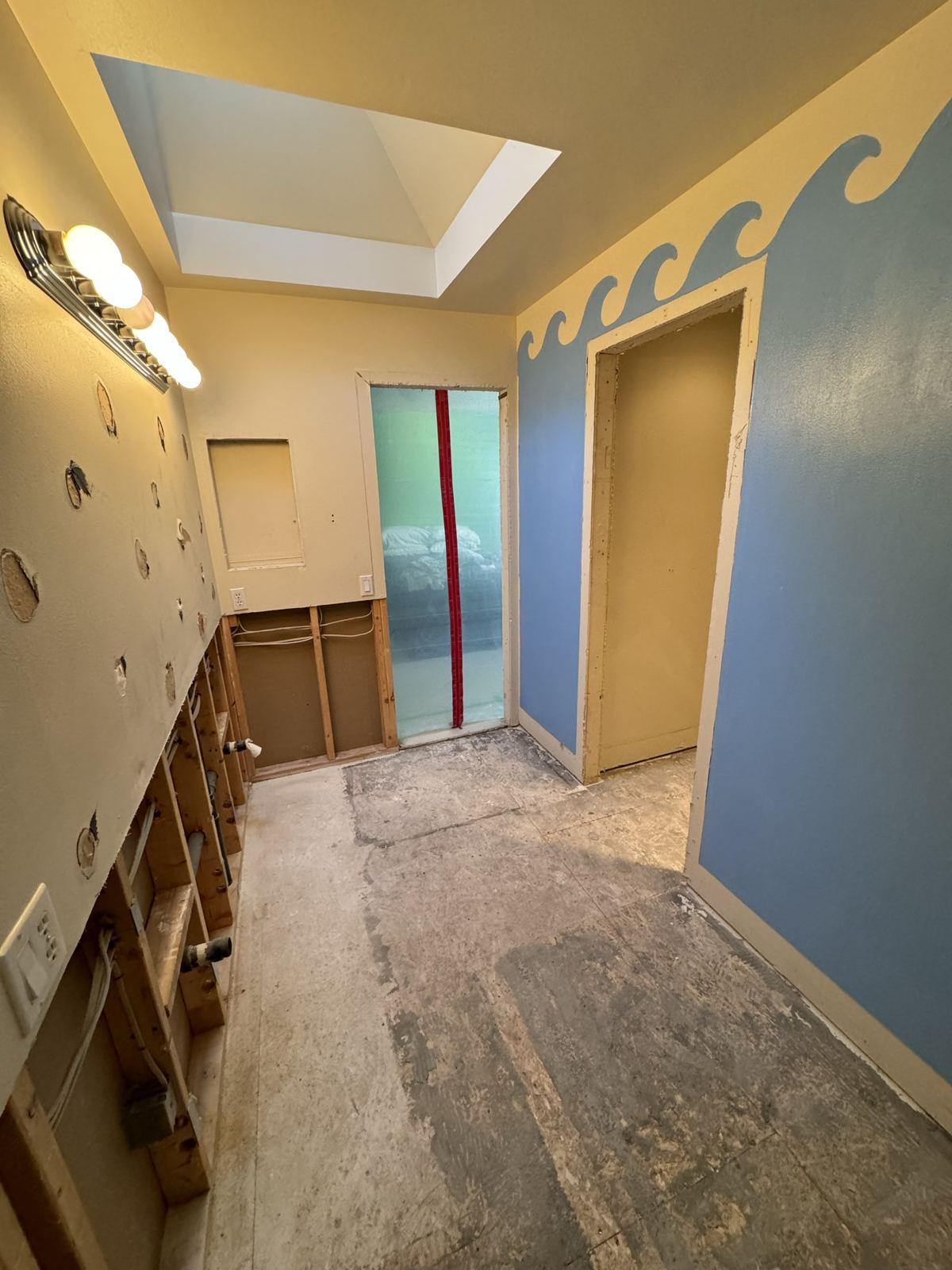
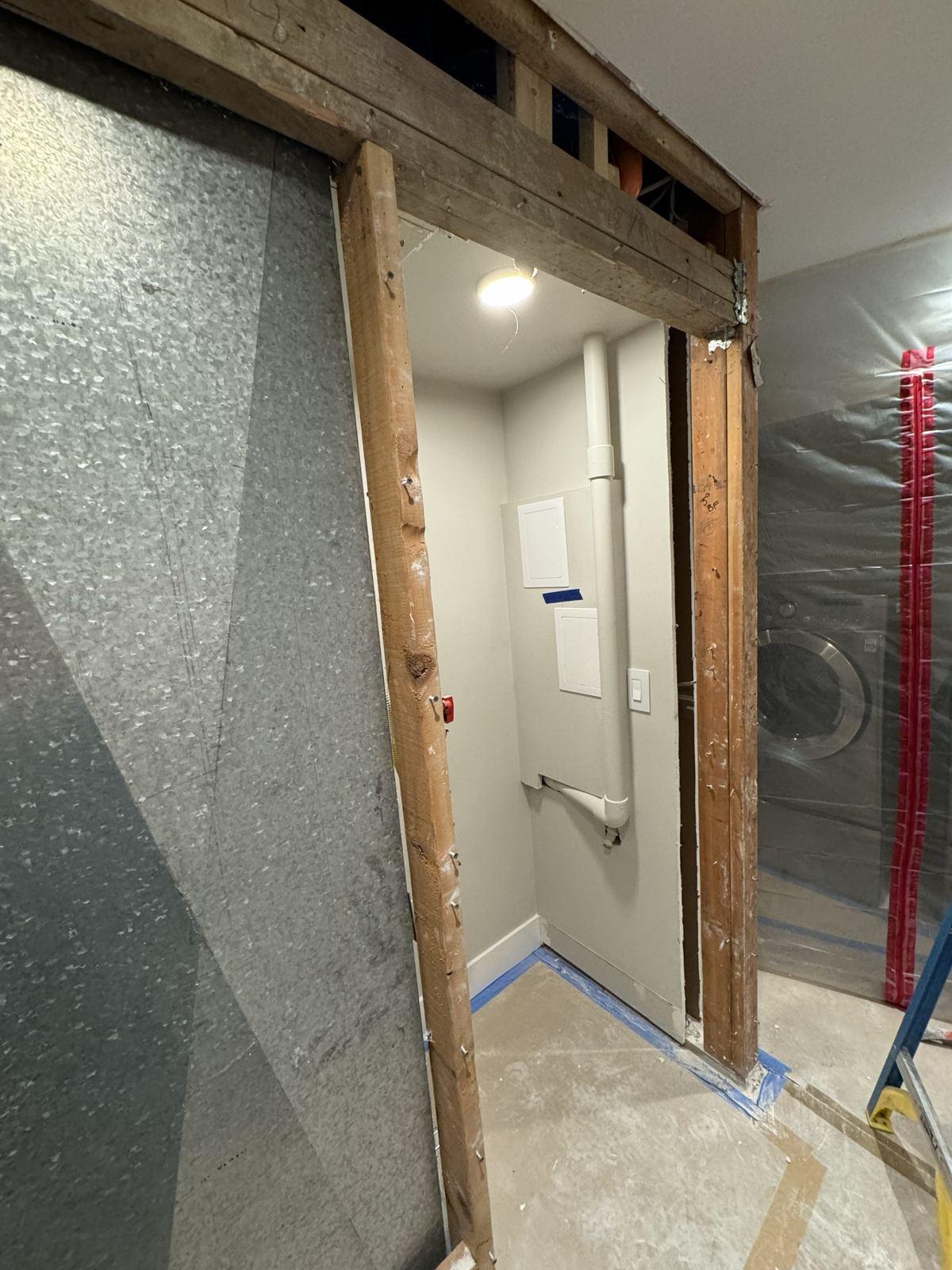
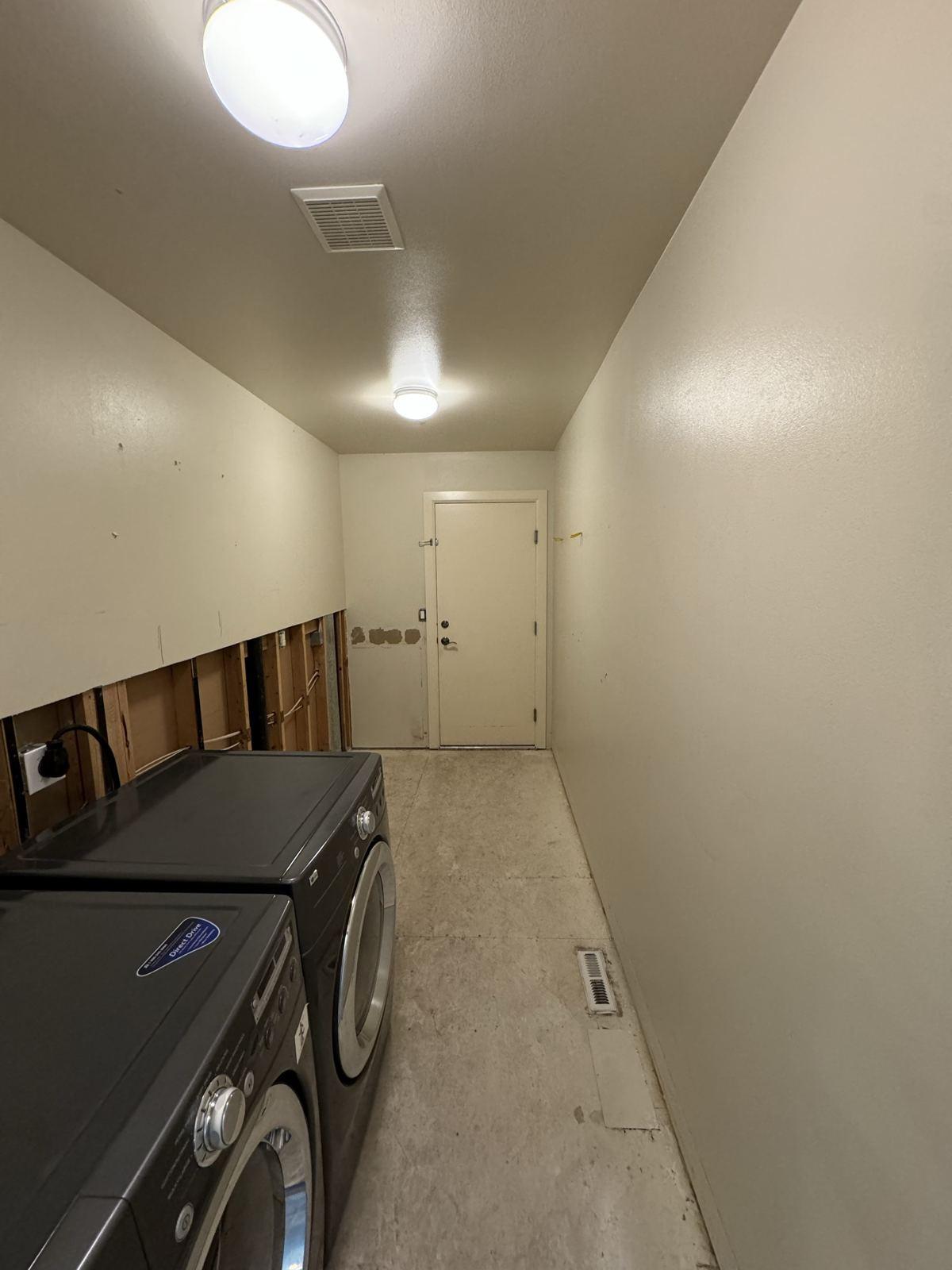
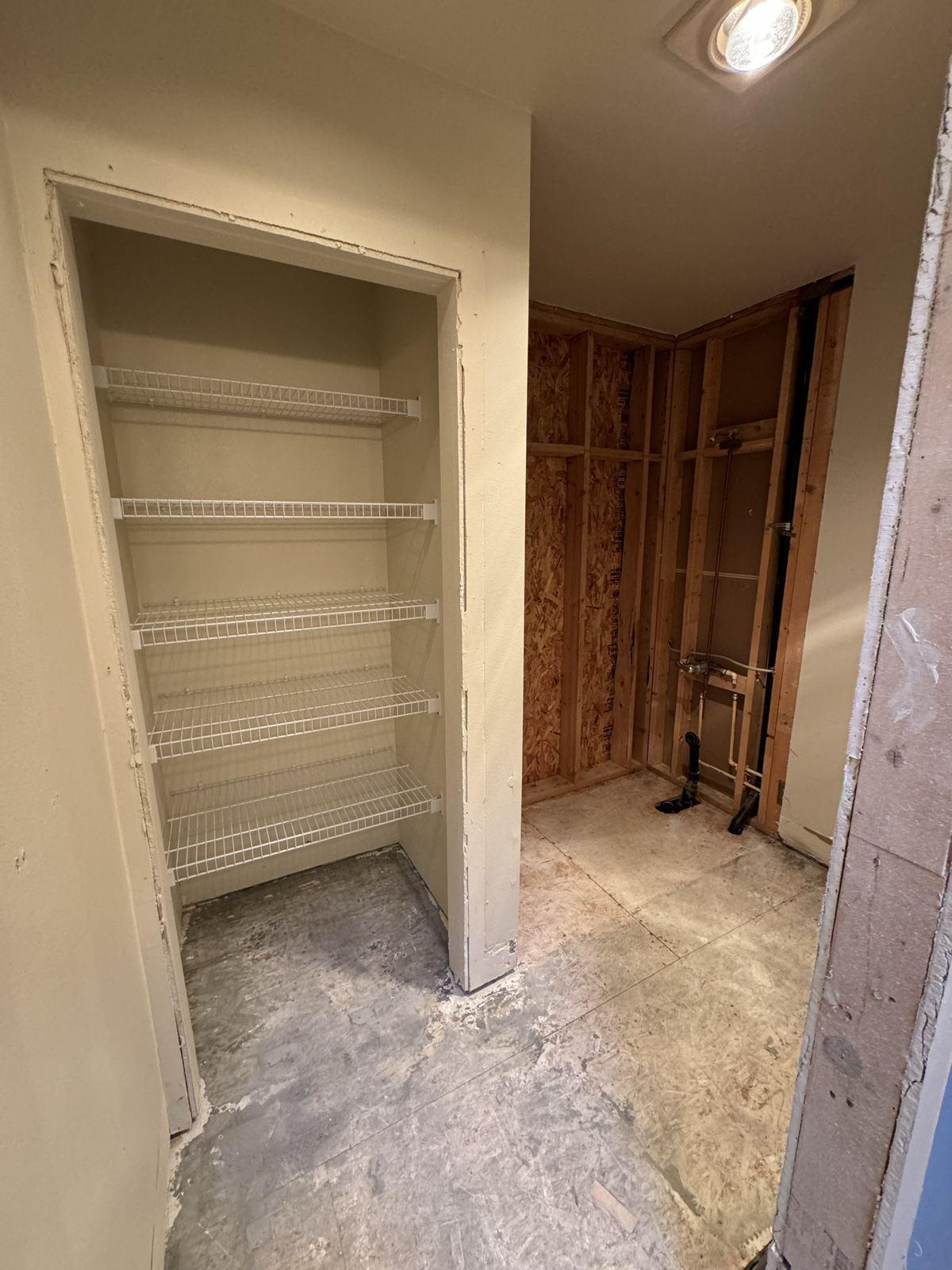
Water damage demolitionon site.
Photos from BRD Demolition jobs across King and Snohomish counties.
Get in touch / 07
Ready to discuss
your demolition project?
Thinking about demoing part of your home, or have a question about a project? Give BRD a call and we can help you get it done the right way.
Contact us today