
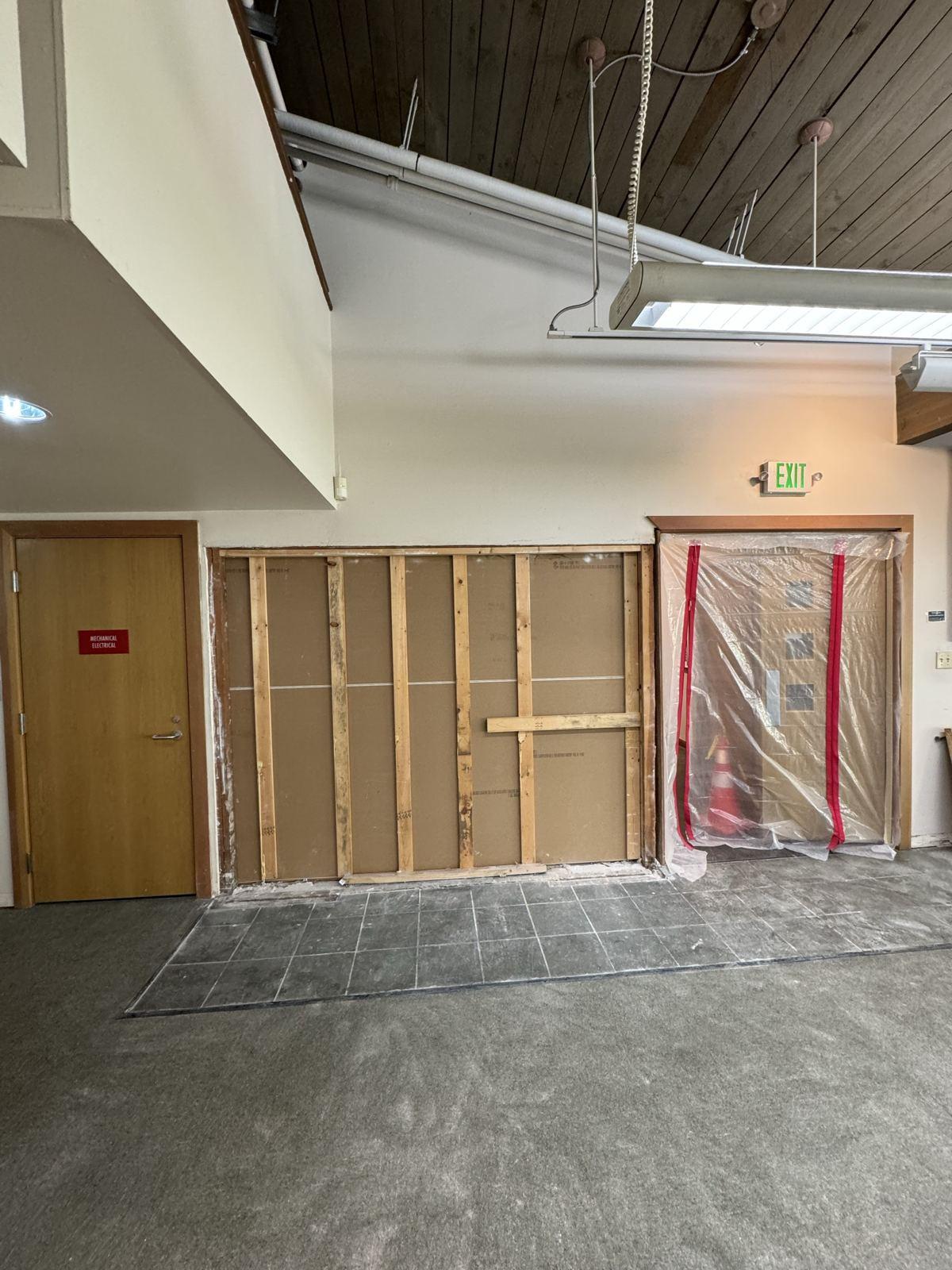
Commercial demolition / Greater Seattle
Commercial demolition in Greater Seattle
We handle tenant improvement strip-outs and selective demolition for offices, retail spaces, and restaurants, and we plan every job around your building and its neighbors.
Residential / Commercial / Site protection
Get a free estimateThe short answer
What is commercial demolition?
Commercial demolition is the removal of interior build-out, such as partitions, ceilings, flooring, casework, and fixtures, so a commercial space can be rebuilt for a new tenant or use. BRD Demolition performs commercial interior demolition and tenant improvement strip-outs for general contractors, property managers, and business owners across King and Snohomish counties, with dust containment and debris hauling included.
- Space types
- Offices, retail, restaurants, medical and professional suites
- Commonly removed
- Partitions, grid ceilings, flooring, casework, storefront interiors, fixtures
- Scheduling
- Days, evenings, or phased, to suit building rules and neighboring tenants
- Works with
- General contractors, property managers, and business owners
- Service area
- Greater Seattle, including King and Snohomish counties
- Estimate
- Free, written after an on-site walkthrough
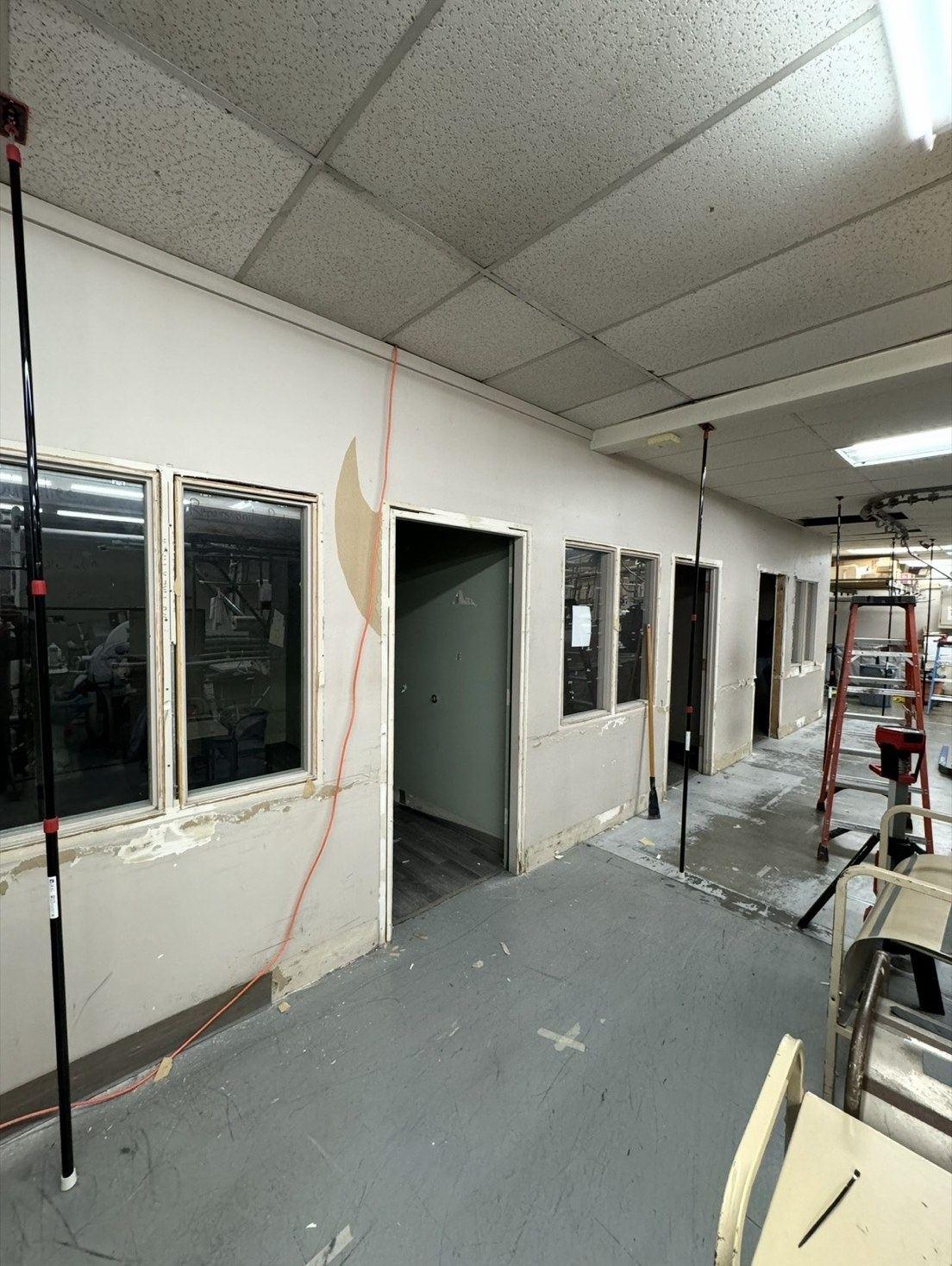
Before we start / 01
Workingin anoccupiedbuilding.
Commercial work rarely happens in an empty building. There are neighboring tenants, shared corridors, a freight elevator with a booking calendar, and a property manager with rules. We collect all of those requirements before we price your job, because they shape the work as much as the square footage does.
See what is includedRules / Contain / Strip out
If this sounds familiar
When youneed aspacecleared.
Here are the most common reasons we get called to a commercial space.
A common mistake we see is assuming a lease space can be gutted the day the keys change hands. Landlord approval, proof of insurance, and the asbestos survey usually need to be in place first. Getting them started early protects your opening date.
- A new tenant needs a different layout
- A lease is ending and the space must be returned to shell
- A restaurant or retail concept is changing
- An office is consolidating or opening up its floor plan
- Water damage affected part of a building
What is included / 02
What’sincluded.
We can remove selected items or take your space all the way back to the shell.
Partitions and framing.
We remove metal and wood stud walls, glazing, doors, and frames, and we leave the base building walls and rated assemblies intact.
Ceilings.
We take down suspended grid, ceiling tile, and hard-lid ceilings, working around the sprinklers, lighting, and ductwork as your project scope calls for.
Flooring.
We remove carpet tile, sheet goods, glue-down flooring, and tile down to the slab, and scrape the adhesive so it is ready for the next finish.
Casework and fixtures.
We disconnect and remove reception desks, millwork, restroom fixtures, and built-ins.
Fire sprinkler, electrical, mechanical, and plumbing modifications are made by the appropriate licensed trades.
How we work / 03
What youcan expect.
Tenant improvement demolition is selective by nature, and that is the kind of work our team is good at.
A commercial job is defined as much by what stays as by what goes. That includes the demising walls, the ceiling plenum, the life-safety devices, and your neighbor's finishes on the other side of the wall. We work from your demolition plan and mark anything that is unclear before we remove it.
If you are a general contractor, we give you a defined scope, a schedule, and a clean handoff so your framing and rough-in crews can follow right behind us.
Our process
How itworks.
Here is what you can expect when we strip out your commercial space.
Site walk and documents.
We review the demolition plan, the building rules, and the survey with you, and confirm the access, working hours, and loading.
Protect and contain.
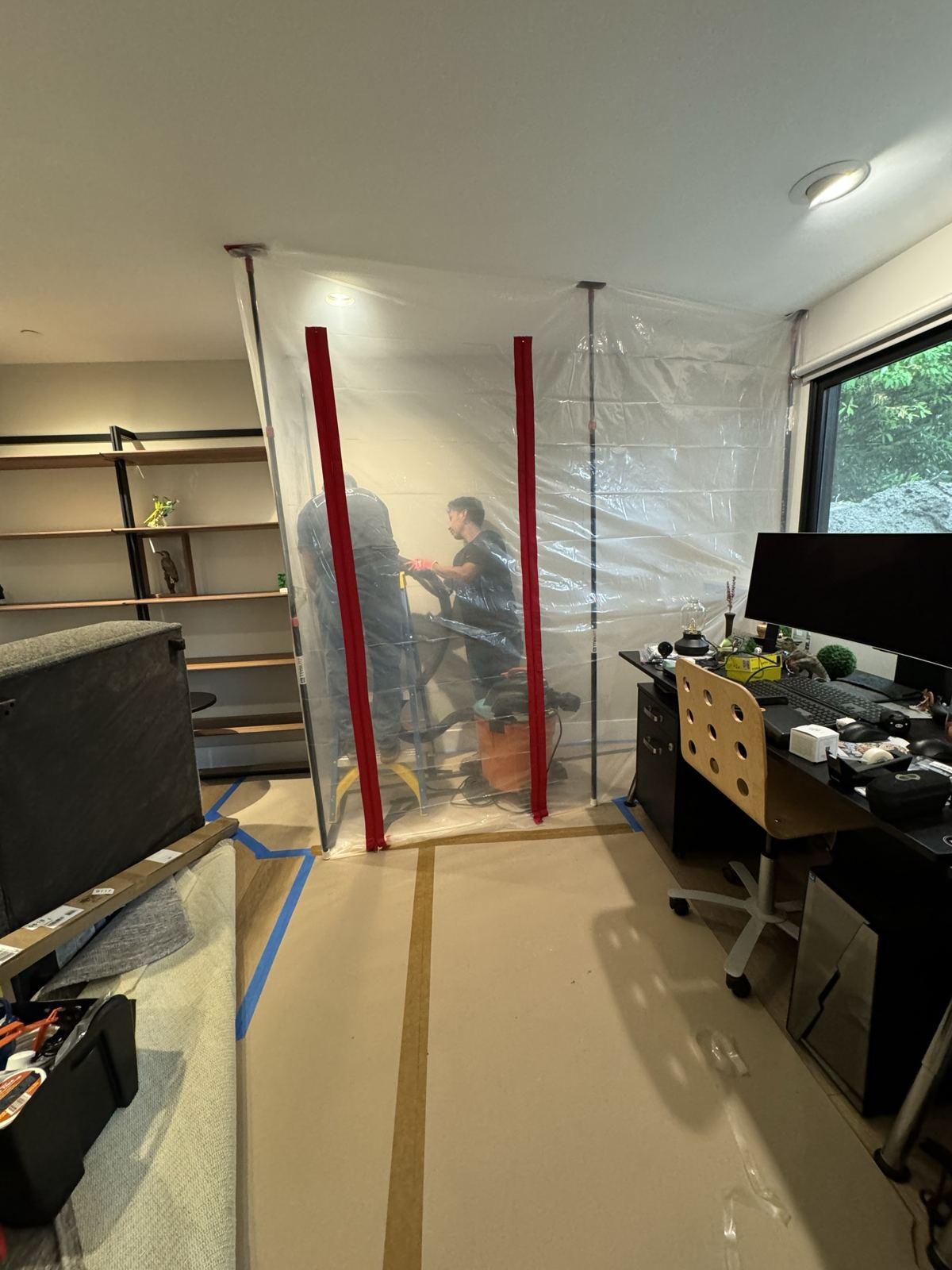
We protect the common areas and elevators and seal off the suite so dust does not reach the neighboring tenants.
Make safe.
The utilities serving the demolition area are confirmed off or made safe by the responsible trade.
Selective removal.
We take out the ceilings, partitions, casework, and flooring in sequence, and we move debris off the floor as we go.
Clean and hand off.
We sweep the space, clean the common areas, and walk it with your superintendent or with you before we call it done.
Your options
Selectiveor backto shell?
Not sure how far to strip the space? Here is how we help our customers decide.
If your new layout reuses most of the existing walls and ceiling, selective demolition saves you money and time. If more than about half of the partitions are moving, or the ceiling has to come down for new mechanical work anyway, a full strip to shell is usually cleaner and faster for every trade.
Check your lease as well. Many leases require the space to be returned to a defined condition, and that sets the minimum scope no matter what the next tenant plans.
- Layout mostly staying: selective
- New mechanical or sprinkler layout: remove the ceiling
- Lease requires shell condition: full strip-out
- Occupied building: phase the work and schedule off-hours
Neighbors / 01
Keepingyourneighborsopen.
We set up containment at the suite entry, protect the corridors, and schedule the loud work around quiet hours, so the tenants next door can keep operating normally.
Schedules / 02
Meetingyourtimeline.
Lease dates do not move. We give you a clear scope and a crew that finishes when we say we will, which keeps the rest of your build-out on schedule.
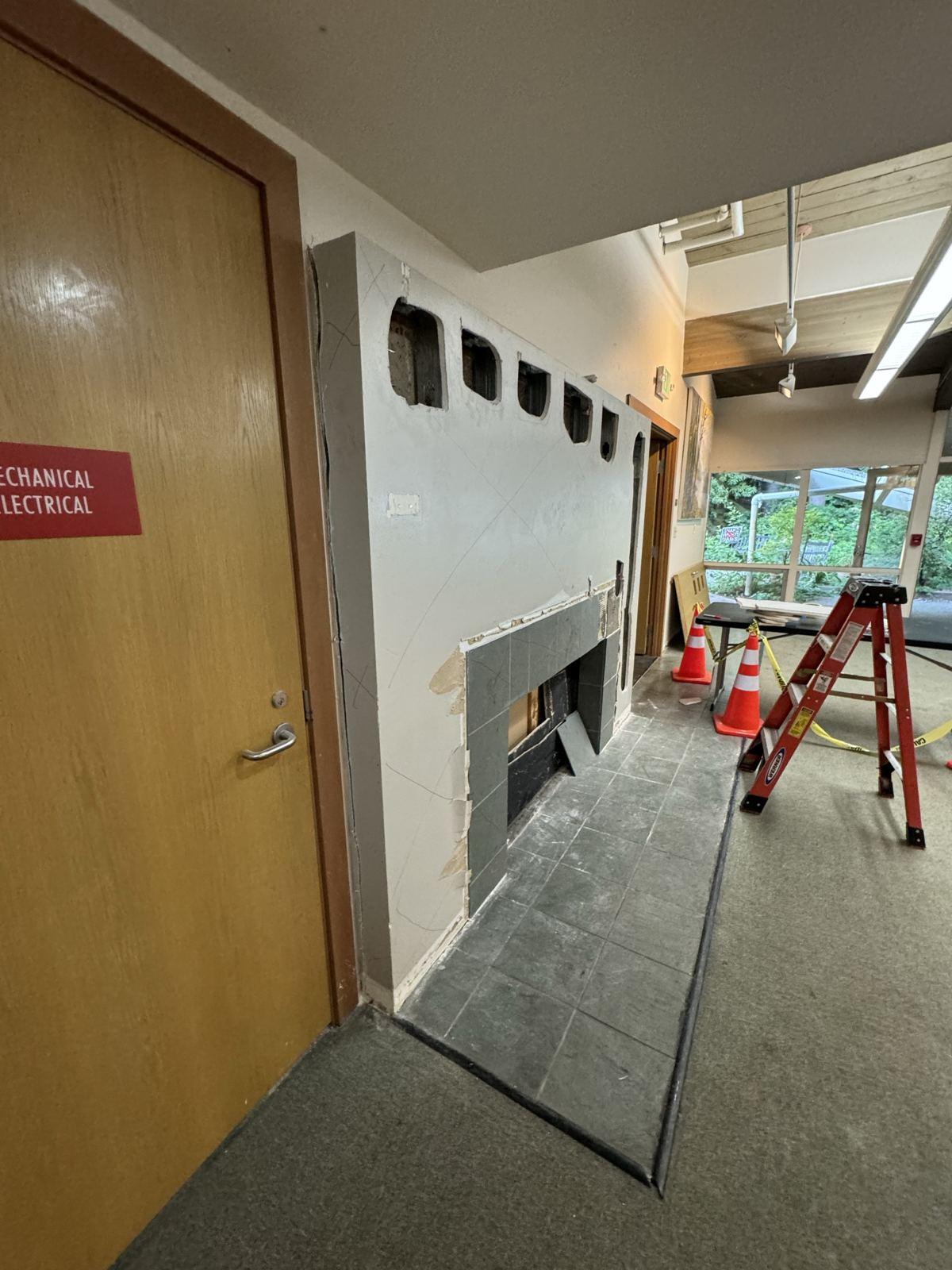
In King and Snohomish counties
Commercialdemolitionin GreaterSeattle.
Here is what we see working in commercial buildings around the area.
Office parks along the I-405 and I-5 corridors, retail around Alderwood and the downtown cores, and older storefronts in Everett, Snohomish, and Seattle each come with different building stock and different rules. Downtown high-rises add loading dock reservations and strict hours.
The Puget Sound Clean Air Agency requires an asbestos survey before commercial renovation as well, and commercial tenant improvements generally need a permit from the city. We confirm both are in hand before we start.
Why it matters
What amessystrip-outcosts you.
When commercial demolition goes wrong, it is expensive and everyone in the building knows about it.
Dust in a neighboring tenant's space, a triggered fire alarm, a damaged sprinkler line, or debris left in a shared corridor can bring complaints, fines from the property manager, and a stop to the work.
An unclear scope causes the other common problem, which is base building elements removed by mistake and rebuilt at the tenant's cost. We walk the space and mark it with you before work begins so that does not happen.
Pricing guidance
Whatcommercialdemolitioncosts.
Every job is quoted after a walkthrough, and the estimate is free.
We quote every commercial job individually after walking the space. Here is what affects your price:
- Square footage and density of the existing build-out
- Ceiling type and what is above it
- Flooring type and adhesive removal
- Working hours, phasing, and building restrictions
- Elevator, loading, and haul-out distance
- Protection required for common areas and neighbors
What customers say
5.0 on Google
from 62 reviews.
Rating and review count as shown on BRD Demolition’s Google Business Profile, November 2026.
Read every review on Google“With BRD Demo, I know the project will go smoothly”
Joshua F.General contractor / Google review
“goes beyond the usual to keep the job site clean and safe”
Frank L.Demolition project / Google review
“They understand the construction process and show up prepared”
Zach F.Construction professional / Google review
Frequently asked questions
Questionsand answers.
What is tenant improvement demolition?
Tenant improvement demolition is the selective removal of an existing commercial build-out, such as partitions, ceilings, and flooring, so the space can be rebuilt for a new tenant. BRD Demolition performs tenant improvement demolition for contractors and property managers in King and Snohomish counties.
Can the rest of the building stay open during demolition?
Yes. The suite is sealed with dust barriers, common areas are protected, and noisy work is scheduled around the building's quiet hours so neighboring tenants can keep operating.
Do you return spaces to shell condition at lease end?
Yes. BRD Demolition removes tenant build-out to the condition the lease or landlord specifies, leaving base building walls, systems, and rated assemblies in place.
Can you work nights or weekends?
Yes. Commercial demolition is often scheduled outside business hours to avoid disturbing other tenants. BRD Demolition plans hours around the building's rules.
Do you work for general contractors?
Yes. BRD Demolition works as a demolition subcontractor for general contractors on tenant improvement projects, and directly for property managers and business owners.
Do I need an asbestos survey before demolition starts?
In King and Snohomish counties, the Puget Sound Clean Air Agency requires an asbestos survey before renovation or demolition work begins. Materials such as popcorn ceiling texture, sheet vinyl, and old joint compound are common suspects in older Seattle-area homes. BRD Demolition does not perform asbestos abatement. If the survey finds asbestos in the work area, a certified abatement contractor removes it first and BRD Demolition handles the remaining demolition.
Do you remove restaurant equipment and hoods?
Fixtures, casework, and non-hazardous equipment can be removed as part of the scope. Gas, refrigerant, fire suppression, and grease duct systems must be disconnected or decommissioned by the appropriate licensed trades first.
Is a permit required for commercial interior demolition?
Most commercial tenant improvements require a permit from the city, and demolition is typically covered under it. Your general contractor or architect normally handles permitting, and BRD Demolition schedules once approvals are in place.
Job photos
Commercial demolitionon site.
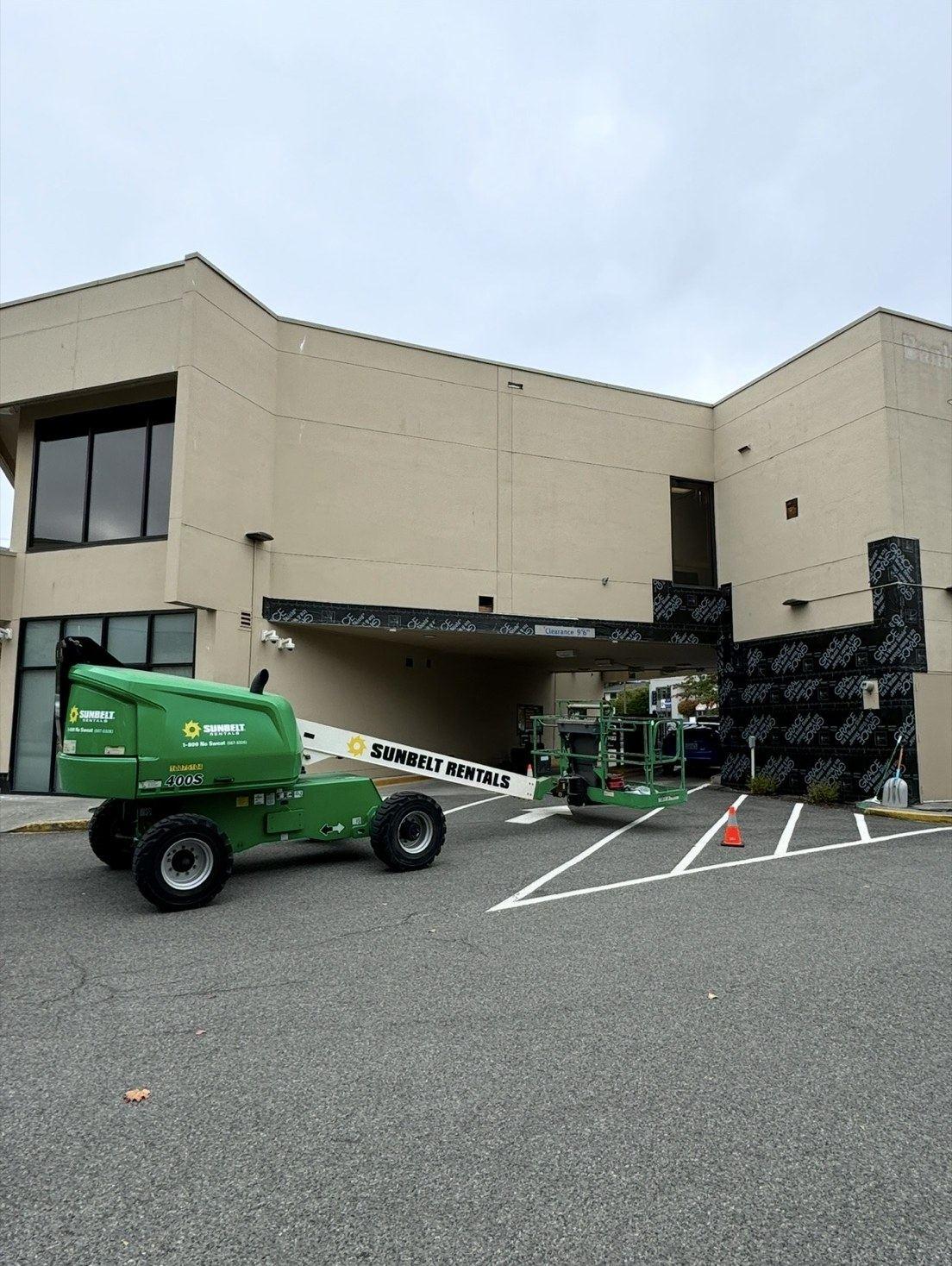
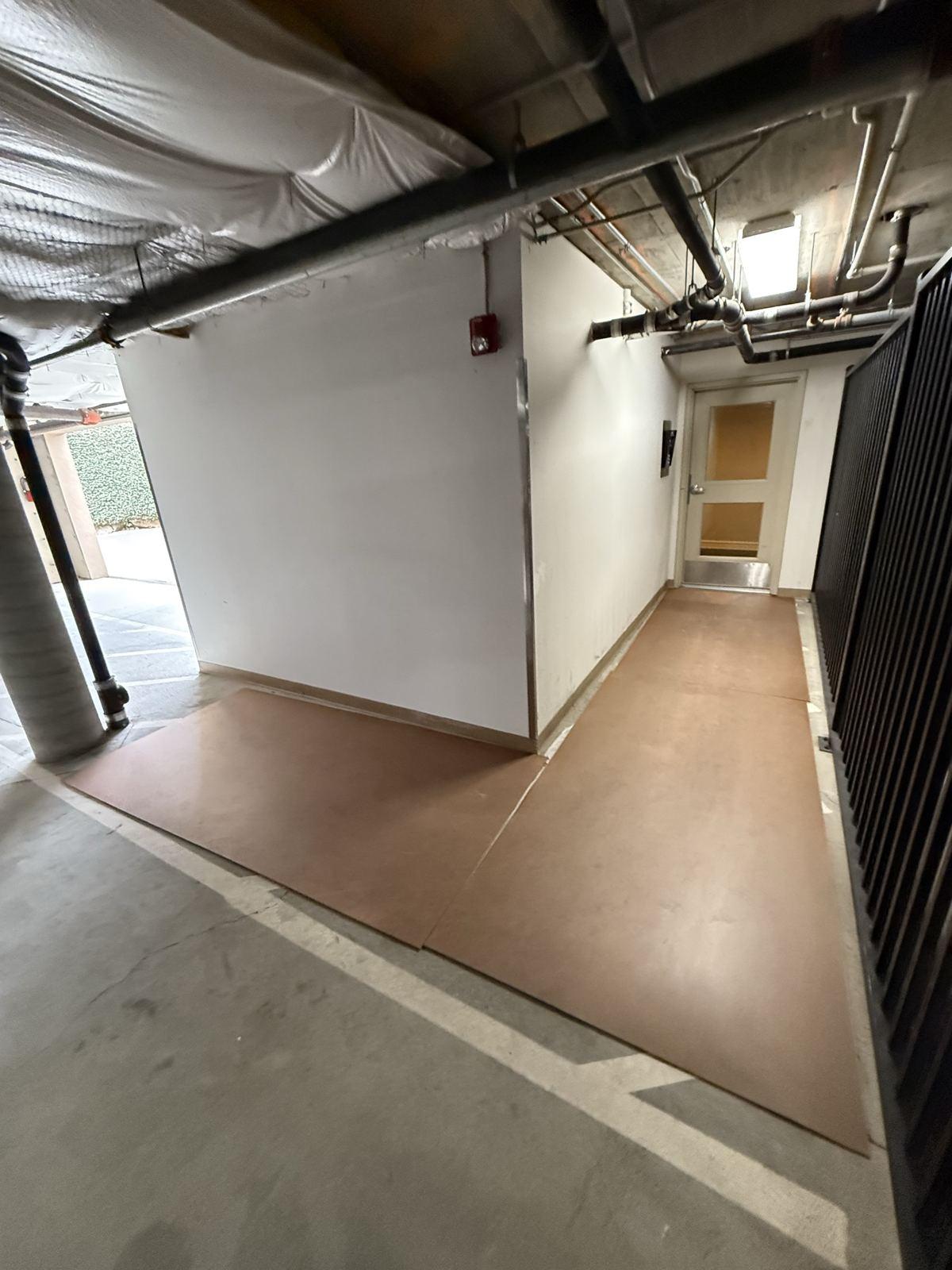
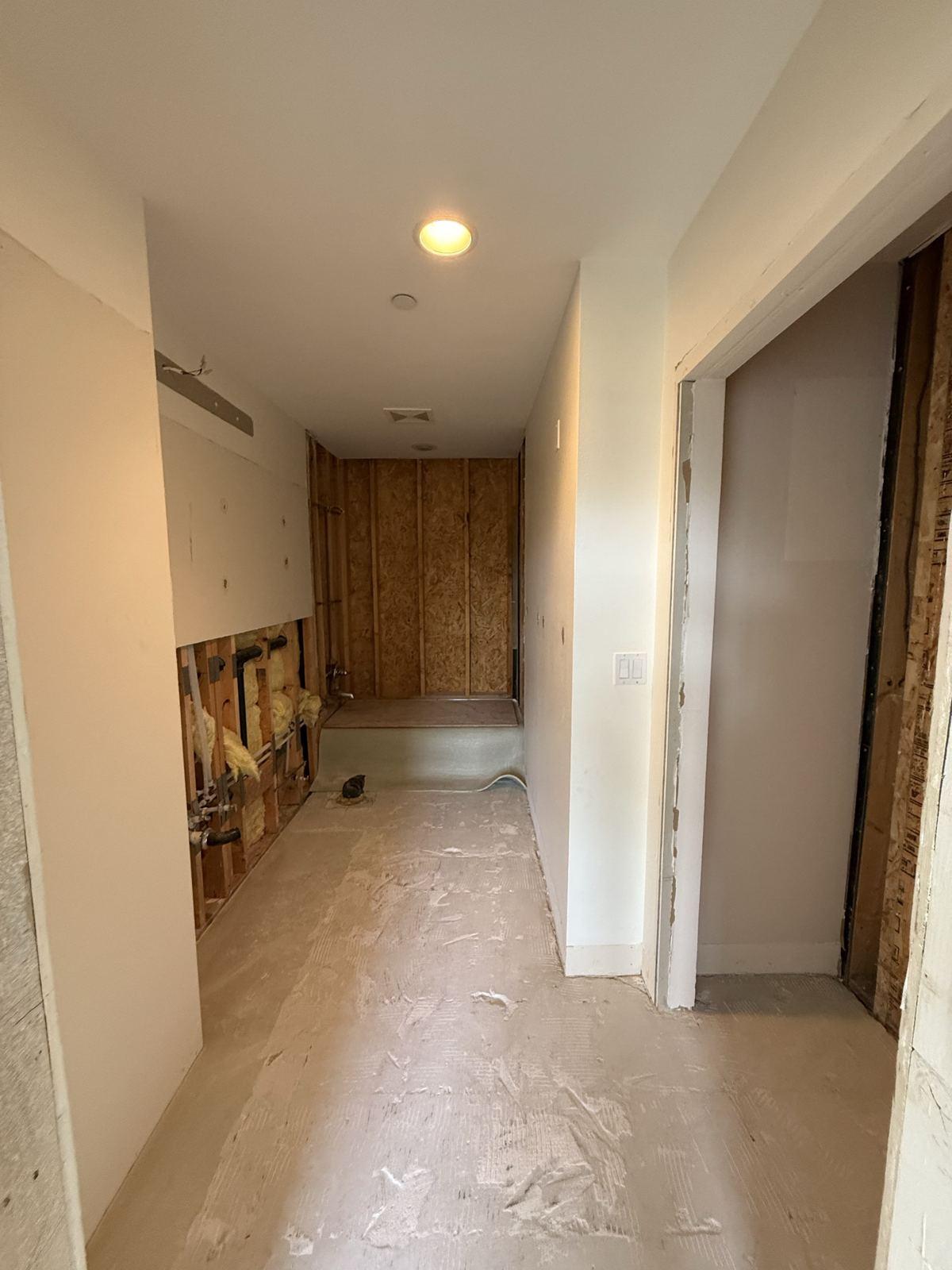
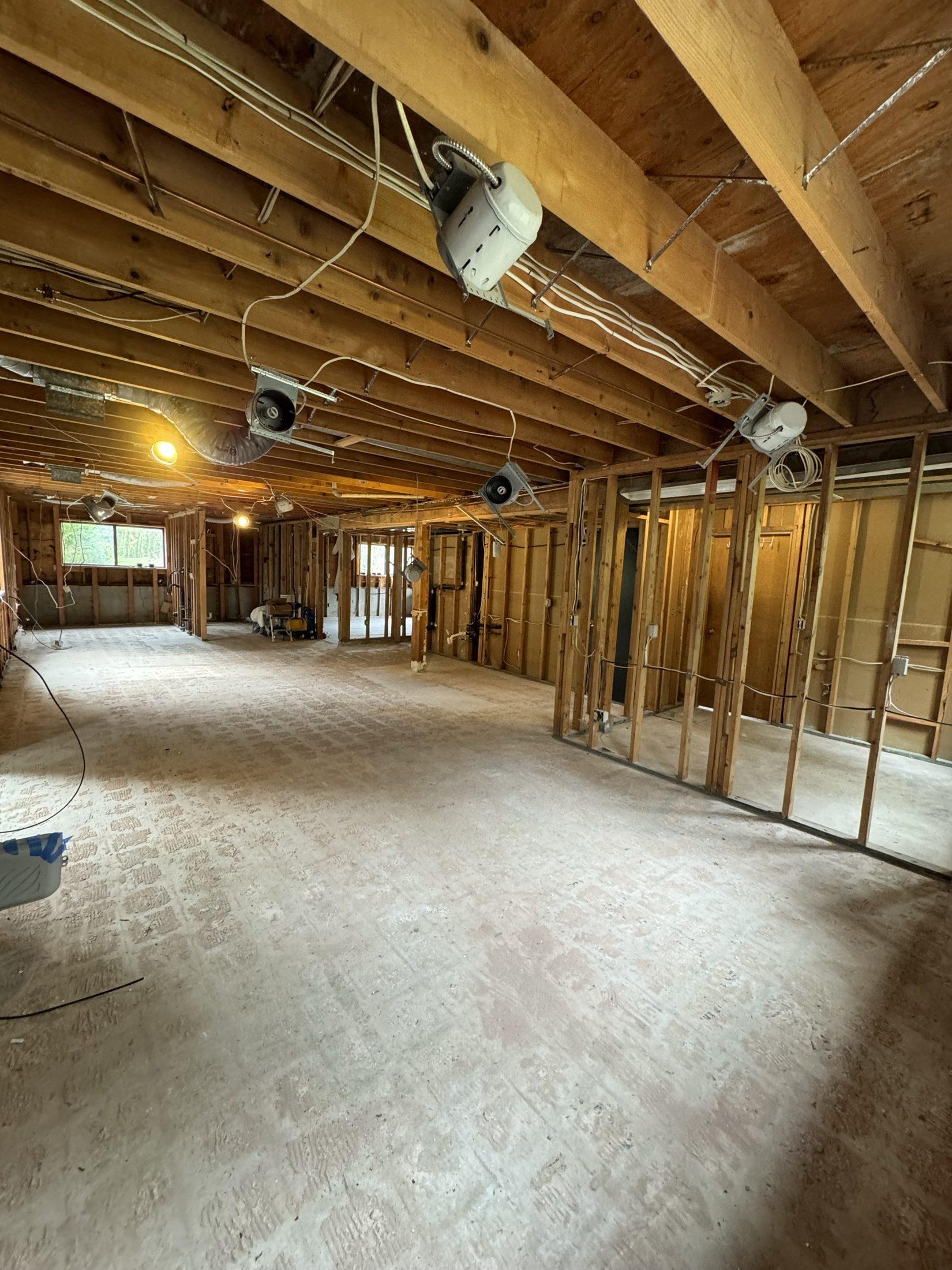
Photos from BRD Demolition jobs across King and Snohomish counties.
Get in touch / 07
Ready to discuss
your demolition project?
Thinking about demoing part of your home, or have a question about a project? Give BRD a call and we can help you get it done the right way.
Contact us today